Is It Illegal to Throw Trash in a Commercial Dumpster?
Have you ever wondered if tossing a small bag into a business bin could cause real problems for your criminal record or your wallet? People often walk past a commercial dumpster and feel tempted to throw trash inside without considering the legal consequences. You might assume a single garbage bag makes no difference to a large business operation, but the reality is quite different. Throwing trash into a bin you do not own carries serious risks and penalties that many people often overlook.
Understanding the rules around waste disposal helps you avoid unnecessary legal trouble and potential fines from local authorities. This practice is strictly forbidden across the United States in most jurisdictions. Using a private bin is a direct violation of local municipal codes that are strictly enforced everywhere. A commercial dumpster sits on private property and belongs to the business or the waste management company. When you toss your refuse into these containers, you commit a crime legally known as theft of services.
The Legal Reality of Waste Disposal
Businesses pay for dumpster rentals based on volume and the frequency of collection. Every bag you add takes up space that the business owner purchased for their own needs. This act is legally defined as unauthorized dumping in almost every municipal jurisdiction. Many people mistakenly believe that if a lid is open, the container is free for public use. This assumption leads directly to citations and heavy financial penalties from local authorities.
When you need a legal way to get rid of debris, it is much safer to work with professionals like Geppert Recycling. They provide the necessary equipment so you never have to worry about the legality of your disposal methods. If you are looking for a dumpster rental in Northeast Philadelphia, they offer reliable options that keep you on the right side of the law.
| Type of Violation | Potential Legal Consequence | Financial Impact |
| Theft of Services | Criminal Charge / Misdemeanor | Fines up to $1,000+ |
| Illegal Dumping | Citations and Court Appearance | Restitution to Owner |
| Trespassing | Arrest or Police Warning | Legal Defense Fees |
| Environmental Hazard | Felony Charges for Toxins | Clean-up Costs |
Financial and Legal Consequences
The penalties for using a rental dumpster without permission can be surprisingly severe and financially draining. Municipalities actively prosecute individuals caught engaging in illegal dumping on commercial properties. Dumping fines vary by location but frequently range from a few hundred to several thousand dollars. First-time offenders typically face steep citations, while repeat offenders experience much harsher penalties. These aggressive enforcement strategies aim to completely deter illegal dumping within the local community.
A conviction for theft of services will permanently appear on your criminal background check. Judges do not look favorably upon individuals who repeatedly abuse commercial waste receptacles. In extreme cases involving large volumes or hazardous materials, perpetrators can face actual jail time. When you use their bin, you are essentially stealing a paid service from the business owner who pays for collection.
The legal consequences escalate quickly if the dumped items cause environmental damage or require specialized removal. Courts often require the offender to pay restitution for any extra pickups the business had to schedule. These financial consequences can easily bankrupt a person over a simple lapse in judgment. Most minor conveniences simply are not worth the massive risks associated with these municipal violations.
Why Businesses Guard Their Dumpsters
Business owners have strong financial motivations to stop people from illegal dumping. Commercial dumpsters have strict weight limits dictated by the hauling company contract. If illegal dumpers fill the bin with heavy debris, the business faces substantial overage charges. Heavy items like concrete or old furniture can easily exceed the established weight limit. The hauling company will often refuse to empty the container until the excess weight is removed.
Owners must take aggressive steps to protect their property and their operating budgets. To avoid these issues, many residents choose to get a roll off dumpster in East Falls for their personal projects. This makes certain that their waste is handled by a reputable company like Geppert Recycling without bothering local shops.
Unauthorized users frequently dump electronics, chemicals, or other hazardous materials to avoid proper disposal fees. Haulers strictly forbid these items in standard commercial bins due to rigid environmental regulations. If a waste management company finds toxic substances, they will penalize the business account heavily. Property owners must then pay specialized crews to remove and process the dangerous materials. This unexpected expense cuts directly into the profit margins of the affected local business.
How to Handle Waste Legally
Instead of risking a criminal record, you should follow the proper channels for large-scale cleaning. There are several ways to stay compliant with local laws while clearing out your space:
- Rent a Private Container: This is the most effective way to manage household or construction debris without trespassing.
- Visit a Transfer Station: Most counties have designated drop-off points where you can pay a small fee to dump bulk items.
- Use Municipal Bulk Pick-up: Many cities offer free days where the city will collect large items like couches or mattresses directly from your curb.
- Hire a Junk Removal Team: Professional teams will come to your home and manually remove the items for you.
- Recycle Specialty Items: Electronics and chemicals should be taken to specific hazardous waste events to avoid fines.
Using a service provided by Geppert Recycling allows you to focus on your project rather than worrying about local ordinances. Property managers frequently hand footage from security cameras directly over to local police to identify suspects. You will often see warning signs clearly stating the severe penalties for unauthorized use. These signs serve as the first line of defense to prevent illegal dumping effectively.
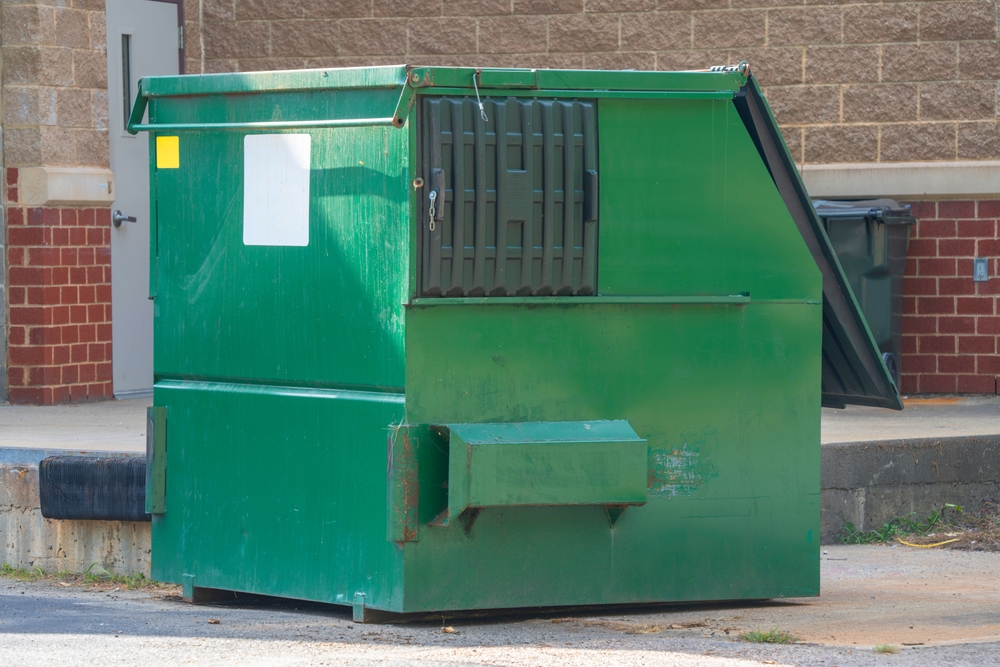
Commercial dumpsters today frequently feature heavy-duty padlocks and thick locking bars across the top. Employees must unlock the bins every time they need to take out the daily trash. Property managers often enclose the entire area with chain-link fencing and locked gates. These physical barriers serve as a highly effective method to prevent illegal access and stop illegal dumping. While these measures require extra effort from staff, they save the business significant money overall.
Final Thoughts on Responsibility
Respecting private property boundaries remains a fundamental part of healthy community living. Using someone else’s dumpster might seem harmless, but it creates significant problems for local businesses. The financial burden of your disposal shortcuts falls entirely on innocent business owners. Proper waste management requires dedicated cooperation from every single member of the local community. Always choose authorized disposal methods to protect yourself and support local commercial enterprises.
There is no valid excuse for illegally dumping your trash on another person’s property. The minimal cost of legal disposal through a trusted partner like Geppert Recycling easily outweighs the massive risk of criminal prosecution. Protect your record and your wallet by making responsible choices with your refuse. For more information on how to legally manage your project waste, please contact us.