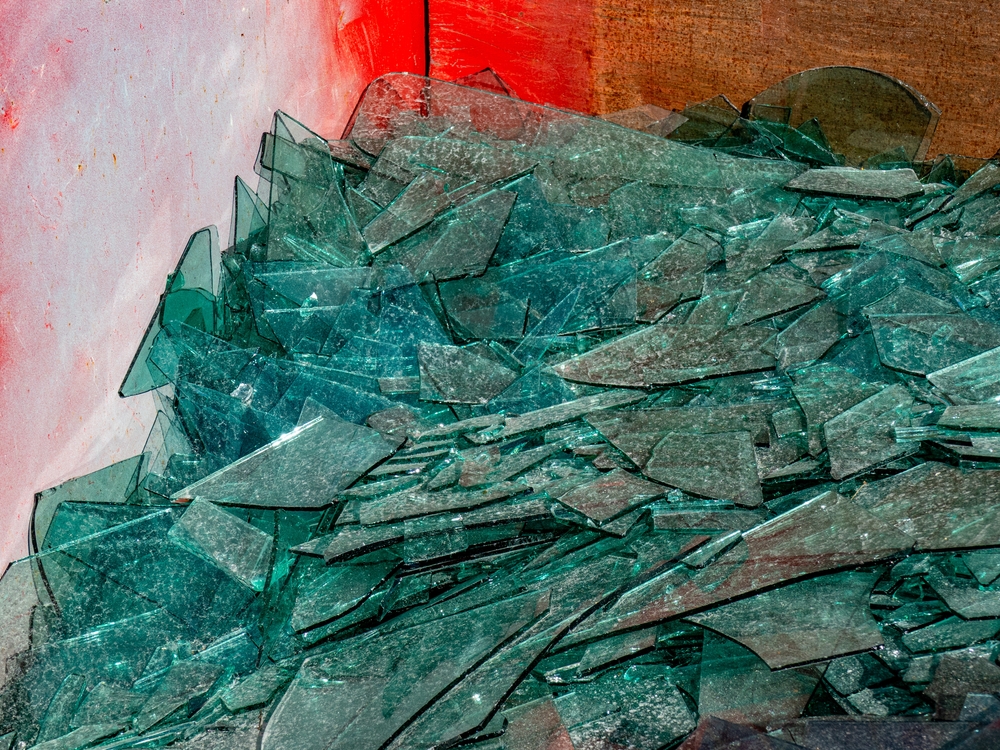
Glass Recycling: How Do You Recycle Broken Glass and Manage Broken Glass Disposal?
Shattered glass presents an immediate problem for any household or commercial facility, requiring swift action and informed decision-making to prevent accidents. Most people instinctively want to sweep up the fragments and toss them directly into their standard bins, assuming the material will be handled normally. However, proper disposal requires a completely different approach from handling intact bottles and jars because of the inherent physical risks involved. If you find yourself staring at a dangerous mess on the floor, you might wonder, how do you recycle broken glass safely without causing injury to yourself or sanitation workers?
Understanding how to manage these sharp fragments protects waste collection staff and maintains the integrity of local processing systems while following environmental compliance. By learning the correct protocols, you transform a dangerous situation into a manageable routine task. Choosing a specialized partner like Geppert Recycling allows you to navigate these waste streams responsibly. This guide will explore the nuances of glass recycling and provide a clear plan for your home or office environment.
Why Broken Glass Is a Challenge for Waste Management
The primary reason most residential services discourage putting broken glass in the recycling bin is the danger it poses to human workers. In a single-stream recycling system, workers often manually sort glass and other materials from a moving conveyor belt at high speeds. Even with heavy-duty gloves, glass shards can pierce through protective gear. When you choose to recycle broken items improperly, you are directly impacting the safety and morale of your community’s waste management team.
Furthermore, shattered glass is nearly impossible to sort by color once it has been pulverized into tiny pieces during transport. Recycled glass, also known as cullet, is most valuable when it is separated into clear, green, and amber streams. When these colors mix, the resulting product can only be used for low-grade applications like road base. Using a service like Geppert Recycling helps keep these materials out of landfills and directs them toward appropriate industrial uses.
Glass Type Compatibility Chart
| Glass Type | Recyclable in Standard Bin? | Melting Point Concern |
| Food/Beverage Jars | Yes | Standard |
| Window Panes | No | High – Contaminates Batch |
| Mirrors | No | High – Chemical Coatings |
| Pyrex/Cookware | No | Very High – Damages Kilns |
| Light Bulbs | No | Hazardous – Contains Toxins |
A Guide to Broken Glass Safety and Disposal
If you must dispose of broken glass in your regular garbage cart, safety should be your top priority. First, sweep up the large pieces and use a damp paper towel or a piece of bread to pick up the microscopic glass shards. Place all the fragments into a sturdy cardboard box or wrap them in several layers of heavy paper to prevent punctures. Secure the box with tape and clearly label it as “Broken Glass” to alert the waste collection crew.
For construction sites or large-scale renovations, the volume of debris often requires a construction dumpster rental in Mt. Airy. Managing large quantities of broken window glass or mirrors through a specialized bin keeps the site safe and organized. Geppert Recycling provides the necessary containers and processing expertise to handle these heavy-duty disposal needs.
Safe Cleanup Checklist
- Wear Protective Gear: Always use thick gloves and closed-toe shoes before approaching shards.
- Contain the Fragments: Use a puncture-proof container like a cardboard box or plastic bucket.
- Label Clearly: Mark the exterior of the container so sanitation workers are aware of the hazard.
- Wipe the Area: Use a damp disposable cloth to capture fine dust and microscopic slivers.
- Separate Specialized Glass: Keep mirrors, light bulbs, and cookware separate from bottle glass.
Managing Broken Glass in Professional Recycling Programs
For a services business, the volume of glass can be much higher, necessitating a robust and documented recycling plan. A business that handles large amounts of container glass or window panes should partner with professional recycling services for bulk disposal. These business services provide dedicated bins and scheduled pickups, confirming that broken glass is diverted from the landfill and processed correctly.
When you are researching options, it is helpful to look for the main content on your city’s environmental services page. You might find that your local center accepts glass bottles but rejects mirrors and heat-resistant glass due to chemical differences. If you are a property manager overseeing an estate cleanout or a retail renovation, securing a roll off dumpster in Germantown makes sure that bulk debris and sharp materials are contained in a high-capacity, professional-grade bin. Geppert Recycling assists businesses in identifying which materials can be reclaimed and which must be treated as specialized waste.
The Future of Glass Recycling and the Circular Economy
As technology advances, facilities are becoming significantly better at processing broken glass through automation. New optical sorting machines can identify and sort glass fragments by color and chemical composition at high speeds. This innovation is vital for the circular economy, as it allows more recycled glass to be used in the production of new glass bottles.
Whether you are a homeowner or managing a large project, your participation in a recycling program makes a tangible difference in global resource conservation. By choosing to recycle broken items through the proper channels, you reduce the demand for raw materials like sand and soda ash. This saves energy and reduces the carbon footprint of glass manufacturing, which is a highly energy-intensive process. Geppert Recycling remains committed to these sustainable practices, helping to build a more efficient waste management system for the entire region.
Conclusion
The answer to “how do you recycle broken glass” requires a thoughtful plan and a commitment to public safety. By utilizing local program resources and professional services, we can make certain that even shattered fragments find a new life in manufacturing. Our team at Geppert Recycling is dedicated to providing efficient waste solutions that prioritize both environmental health and the physical safety of the Philadelphia workforce. We understand that managing sharp debris can be a logistical headache, which is why we offer reliable containers and expert guidance for any scale of cleanup. By choosing a professional approach to glass management, you contribute to a cleaner community while fulfilling your local recycling obligations. Our experts are ready to assist you in diverting these materials from landfills and making sure that they are processed according to the highest industry standards.
If you have a large project or need professional disposal solutions, contact us today to learn how our team can help you manage your recyclables safely.