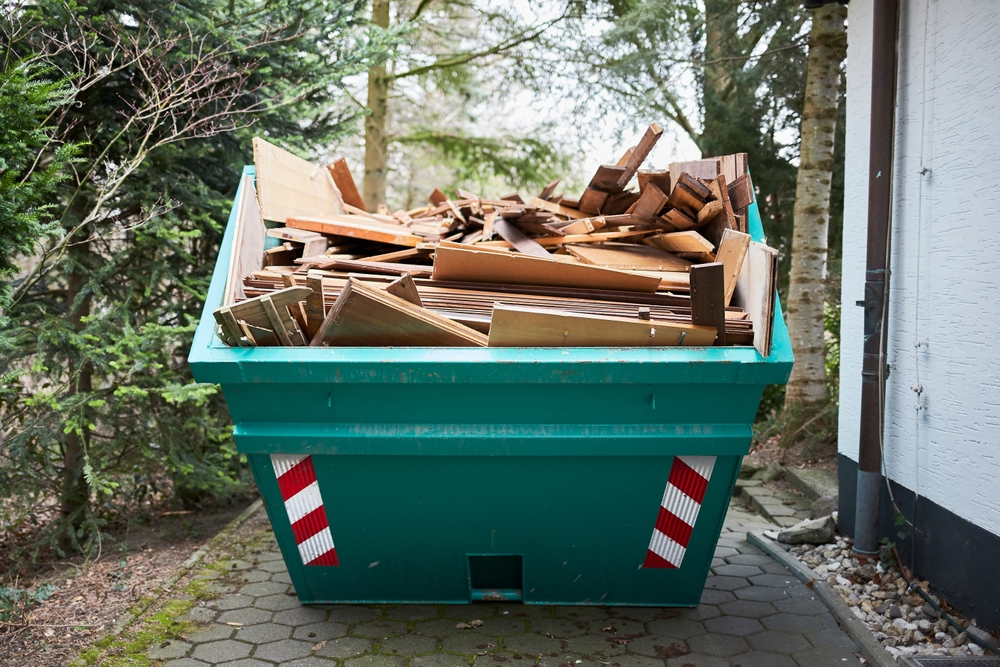
Construction Dumpster Safety: What Happens if a Construction Dumpster is Overfilled and Becomes Overweight
Every construction project generates a massive amount of debris that requires proper waste disposal and strategic planning. Project managers often try to maximize their budget by cramming as much material as possible into a single container, but they must consider what happens if a construction dumpster is overfilled. Ignoring the established fill lines creates significant logistical problems and safety concerns for everyone involved in the construction project.
What happens if a construction dumpster is overfilled? The consequences extend far beyond a simple warning from the truck driver and can impact your entire bottom line. You will face severe safety risks, immediate financial penalties, and frustrating pickup delays that derail your project timeline.
Understanding these outcomes helps you maintain a safe, compliant, and efficient job site while avoiding unnecessary additional fees. You must recognize the physical limitations of the equipment you rent for your project. Proper waste management protects your workers and keeps your project moving forward without any unexpected interruptions. Using David Geppert Recycling helps keep your site safe and compliant.
Equipment Strain and Heavy Material Hazards
Throwing heavy materials into a trash bin without tracking the total mass is a recipe for disaster. Every rental provider establishes a specific weight limit for their containers based on vehicle capacities and local transportation laws. When you exceed this assigned capacity, the truck simply cannot safely lift the load onto the flatbed.
The hydraulic systems strain under the pressure, and the steel lifting cables can snap unexpectedly during the process. This creates severe safety hazards for the driver and any construction workers standing nearby on the site. Furthermore, an overweight container changes the center of gravity for the transport vehicle, making it dangerous to operate.
A heavy load makes the truck difficult to steer and increases the braking distance significantly on public roads. The Occupational Safety and Health Administration (OSHA) strictly regulates workplace lifting procedures to prevent these exact scenarios. Ignoring these guidelines puts everyone on your job site in immediate danger of injury or equipment failure. If you need a dumpster rental in Roxborough, working within the stated limits protects both your crew and the haulers.
Dumpster Capacity and Weight Limit Guidelines
To prevent your container from becoming overweight, use this general guideline for maximum fill capacities based on standard roll-off sizes:
| Dumpster Size | Average Weight Limit | Common Allowed Materials | Max Fill Line Rule |
| 10-Yard | 2,000 – 4,000 lbs (1–2 Tons) | Heavy debris (dirt, concrete, brick), roofing shingles | Level with the top rim (do not stack) |
| 20-Yard | 4,000 – 6,000 lbs (2–3 Tons) | Construction debris, remodeling waste, wood, drywall | Level with the top rim |
| 30-Yard | 7,000 – 10,000 lbs (3.5–5 Tons) | Large construction sites, demolition debris, bulk trash | Below the top rim (never overfill) |
Safety Risks and Debris Fall on Public Roadways
If a driver actually attempts to transport overloaded bins, the danger shifts to public highways and local streets. Federal and state transportation departments strictly regulate commercial vehicles to prevent accidents and fatalities involving unsecured loads. Material stacked above the wall height easily catches the wind at high speeds, leading to dangerous situations.
This aerodynamic drag leads to debris falling directly into the path of trailing vehicles on the highway. A single brick or piece of lumber can smash a windshield and cause a catastrophic collision for other drivers. For this reason, commercial drivers will refuse to legally haul any container that looks unsafe for transport.
They must protect their commercial driver’s license and the liability of their employer at all times. Waste removal companies train their operators to reject any load that poses a threat to public safety. If you are coordinating a construction dumpster rental in Manayunk, the Federal Motor Carrier Safety Administration (FMCSA) holds the driver legally responsible for any debris fall during transport, which is why David Geppert Recycling enforces strict safety standards for every single pickup.
Financial Penalties and Additional Fees for Overfilled Dumpsters
Overfilling your container hits your project budget directly and immediately through various surcharges and penalties. Most rental companies enforce strict loading policies to protect their equipment and comply with local laws. If a driver arrives and determines they cannot safely remove the load, they will leave the container behind.
You will immediately incur a dry-run fee for the wasted trip, which adds unnecessary expenses to your budget. This charge covers the fuel and the driver’s time, but it leaves your problem completely unsolved. You still have a heavy, unusable container sitting on your property that needs to be addressed.
Every dumpster rental contract specifies these penalties clearly in the terms of service provided by the company. Ignoring the rules guarantees that you will pay significantly more than you originally budgeted for waste disposal. You should always review the weight limits before starting your project to avoid these common financial pitfalls.
Hidden Costs of Overloading a Roll-off Dumpster
Beyond the initial trip charge, you face several other financial consequences and additional fees for your project. The rental provider might charge for the extra days the bin sits on your site while you fix it. If you force the company to send a second truck, you pay for an extra pickup and disposal.
Heavy containers also increase the risk of property damage during the loading and removal process on your site. The massive weight can crack concrete driveways or destroy asphalt parking lots, leading to expensive repair bills. Repairing these surfaces costs significantly more than renting a second bin would have cost initially for your project.
Effective waste removal requires active management to keep costs under control and maintain your project budget. You must track what goes into the bin to prevent these compounding financial penalties from adding up. Proper planning with a team like David Geppert Recycling helps keep your construction waste handled efficiently and safely.
Never attempt to hide heavy materials like concrete or wet dirt at the bottom of the bin. The truck’s hydraulic scales will immediately detect the excess mass, and the driver will reject the load.
Quick Checklist for Proper Waste Disposal
When managing your waste removal with David Geppert Recycling, follow these steps to keep your job site moving smoothly:
- Know Your Limit: Confirm the strict weight capacity of your specific rental before loading heavy materials like concrete or plaster.
- Keep It Level: Never stack materials higher than the side walls of the container.
- Distribute the Weight: Place heavier objects flat at the bottom and spread them out evenly to maintain a safe center of gravity.
- Protect Against Rain: Cover your dumpster with a tarp during heavy storms; wet debris and trapped water can rapidly push your container over its legal weight limit.
Operational Delays and Site Interruptions from Pickup Delays
Construction sites rely on tight schedules and smooth logistics to remain profitable and meet client deadlines. When you overload a roll-off dumpster, you instantly disrupt the entire workflow of your construction crew. The waste disposal company will not take the bin, which means your crew has nowhere to throw new trash, forcing you to halt operations.
A rejected pickup means your workers must stop construction to manually unload the excess material and level off the top. This wastes paid labor hours on fixing a mistake rather than building. Meanwhile, a full container continues to sit on your job site, taking up valuable space and delaying the delivery of a fresh, empty bin.
To prevent these costly bottlenecks, contact David Geppert Recycling to make sure that you choose the correct bin size and maintain a productive, hazard-free workplace.